
Do Mobile Homes Depreciate?
It’s not a simple yes or no. Some mobile homes lose value steadily, some hold steady, and some gain value. Which one yours is depends mostly on the land, the foundation, the age of the home and its condition.
By Stephanie
Pre-1976 homes, park homes with rising lot rent, poor condition
Well-kept homes on owned land, especially on a permanent foundation
Whether the home is tied to land you own
The Short Answer
It Depends. Unlike Cars, Mobile Homes Can Go Either Way
Cars almost always lose value. Mobile homes can lose value, hold steady, or appreciate depending on a few key factors: the age of the home (especially before or after 1976), whether it sits on land you own or in a park, whether it is on a permanent foundation and treated as real property, its condition, and the local market. The same model of home can be worth very different amounts depending on these things.
Do mobile homes depreciate in value? Yes, some do, and some lose a lot. But many don’t. Newer manufactured homes on land the owner controls often move with the local real estate market, and in a rising market they can be worth more than the owner paid.
The quick version: a pre-1976 mobile home in a declining park will almost certainly lose value over time. A newer double-wide on a few acres of private land in a desirable area may be worth more today than it was five years ago. The real question isn’t “do mobile homes depreciate?” It’s “what kind of mobile home, where, and in what condition?”
Homes built since June 1976 are built to the federal HUD Code (24 CFR 3280), a national construction and safety standard for manufactured homes. That’s a separate standard from the local building codes that apply to site-built houses, but it was a big step up from what came before, and it’s a large part of why newer homes are easier to finance, insure and resell.
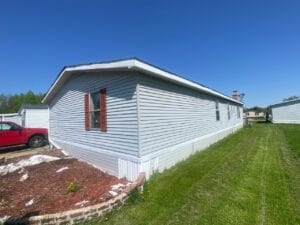
A well-maintained mobile home on private land can hold or increase in value. Depreciation is not automatic.
What Decides Whether a Mobile Home Loses or Gains Value?
These are the things I look at when I evaluate a mobile home. Together they decide whether a home is gaining value, holding steady, or losing it.
Factors That Help Value
- Built after 1976 (HUD Code)
- Located on land you own
- Permanent foundation, titled as real property
- Well-maintained condition
- Recent kitchen or bath updates
- Newer roof, HVAC or flooring
- Desirable neighborhood or area
- Double-wide or larger size
- Strong local housing demand
Factors That Hurt Value
- Built before 1976 (pre-HUD)
- Located in a park on rented land
- Deferred maintenance or damage
- Water damage, mold or rot
- Rising lot rent in the park
- Declining park or neighborhood
- Outdated systems and finishes
- Structural or chassis issues
- Title problems or liens
Factors That Vary by Market
- Local housing market conditions
- Regional economy
- Park management quality
- Community amenities
- Distance to jobs
- Lot rent stability
- Natural disaster risk in the area
- Comparable sales nearby
- Financing available locally
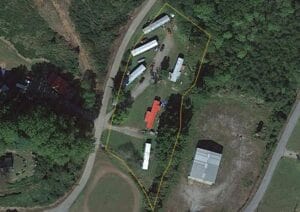
In a park, rising lot rent can wear down a home’s resale value faster than physical wear and tear.
The 1976 Rule: Why the Year Your Home Was Built Matters
On June 15, 1976, the federal HUD Code took effect and set national construction standards for manufactured homes. That date is still a dividing line in how buyers, lenders, insurers and parks look at a home.
Built Before the HUD Code
Hard to finance, insure or sell. These homes usually lose value, and many parks no longer accept them.
Early HUD Code Homes
Can hold value with good maintenance, especially on owned land. Condition and location matter a great deal for this era.
Improved Construction
Better materials and standards. Well-kept double-wides from this period on private land generally resell well.
Modern Manufactured Homes
On owned land, and especially on a permanent foundation titled as real property, these homes can track the local market and may qualify for mortgage financing, which widens the buyer pool.
If you own a mobile home built before 1976, the honest advice is that you’re likely facing real depreciation. These homes are hard to finance through regular lenders, may not meet park standards, and have fewer buyers. If a pre-1976 home needs major repairs, selling as-is is often a better financial choice than putting more money in.
If your home was built more recently and sits on land you own, the old “mobile homes always depreciate” story may not apply to you. What matters is how your home compares to recent sales of similar homes near you.
Land Ownership: The Biggest Driver of Mobile Home Value
In my experience, land ownership matters more than almost anything else when it comes to long-term value. The land is usually what appreciates; the home itself is what ages.
Mobile Home on Land You Own
- The land itself can gain value over time
- No lot rent eating into what buyers can afford
- You control improvements
- Easier for buyers to finance, especially as real property
- Larger pool of buyers when you sell
- Value tends to follow the local real estate market
- No park rules or restrictions
- Land and home sell together
Mobile Home in a Park
- Lot rent increases shrink the buyer pool
- Value is tied to how the park is run
- Limited changes allowed
- Harder for buyers to finance
- Fewer buyers at resale
- The park can change rules, be sold or close
- Moving the home, if you ever have to, is expensive
- Value usually doesn’t follow the housing market
If you own a mobile home in a park and lot rent keeps rising, that’s one of the clearest signs that selling sooner rather than later may make sense. Every lot rent increase cuts the number of buyers who can afford your home’s monthly costs, and that directly affects what someone will pay for it.
On the other hand, if your mobile home is on private land you own, you may be sitting on more value than you realize. The land may have gone up in value, and a well-kept home on that land is usually worth more than a comparable home in a park.
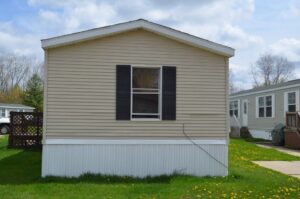
Age, condition and land ownership together tell the full story. No single factor works on its own.
When Can a Manufactured Home Appreciate?
Manufactured homes can go up in value, but it usually takes a specific setup. The homes most likely to hold or gain value tend to have all three of these:
- The owner owns the land. Land is the part of real estate that typically appreciates. A home on rented park land doesn’t get that benefit.
- A permanent foundation. A home properly set on a permanent foundation with the wheels, axles and hitch removed is treated much more like a regular house by lenders, appraisers and buyers.
- Titled as real property. In many states, a manufactured home on land you own can be converted to real property, so the home and land are one piece of real estate instead of a home on a vehicle-style title. That can open up regular mortgage financing for buyers and lets the home be appraised against nearby real estate sales.
Every state handles this differently. The paperwork, foundation requirements and fees to convert a manufactured home to real property vary by state and sometimes by county. Check with your county register of deeds or your state’s title agency, and consider a real estate attorney or title company before you start.
Even with all three, there’s no promise a manufactured home will appreciate. It depends on the local market, the condition of the home and what similar properties are selling for. And the structure itself still ages, so roof, siding, windows and systems need upkeep to protect the value the land is adding.
What Is Your Mobile Home Actually Worth Right Now?
Most mobile home owners don’t know what their home is worth in today’s market. Guidebook values (often called the “blue book” or NADA values) are a starting point, but they can lag behind the market and don’t account for your exact location, condition or local demand. The guidebook number and what a real buyer will pay can be very different.
A few ways to get a realistic number:
- Look at recent sales of similar homes near you (same size, age and setting, park or private land).
- Get an appraisal, especially if the home is on owned land or titled as real property.
- Use a paid market value report such as the one from MobileHomeSell.com, which looks at comparable sales in your area.
- Get a cash offer from a buyer to see what someone will actually pay today.
Disclosure: I’m a part owner of MobileHomeSell.com, so I benefit if you buy a report there.
For a full walk-through of how mobile home values work, including guidebook values and what they really mean, read my mobile home value guide.
Should You Sell or Improve Your Mobile Home?
Here’s an honest way to think about it. It comes down to the home’s fundamentals, not your emotional attachment to it.
Selling Might Make More Sense When:
- The home was built before 1976
- Major repairs are needed
- Lot rent keeps going up every year
- The park is declining or rumored to be sold
- Repair costs are more than the value they’d add
- You need cash quickly
- There are title problems you can’t resolve
- The neighborhood is declining
Improving Might Make More Sense When:
- The home is newer
- You own the land
- Repairs are small and manageable
- The local market is strong
- Lot rent is stable and affordable
- The home is structurally sound
- A kitchen or bath update would add real value
- You plan to stay for years
Want to Know What Yours Is Worth?
If you’re weighing whether to sell, a cash offer is one more number to compare against recent sales and an appraisal. I buy mobile homes in all kinds of condition, there’s no obligation, and you’re free to say no.
Frequently Asked Questions About Mobile Home Depreciation
Do mobile homes depreciate in value like cars?
Not automatically, and this is one of the most misunderstood things about manufactured housing. A car has no land attached and wears out with use, so it almost always loses value. A mobile home can lose value, hold value or appreciate depending on its age (before or after 1976), whether it sits on land you own, whether it’s on a permanent foundation, its condition, and the local market. A newer double-wide on private land in a growing area can appreciate much like a site-built home. A 1970s single-wide in a struggling park will almost certainly lose value over time.
Do manufactured homes appreciate in value?
They can. The ones most likely to appreciate sit on land the owner owns, are set on a permanent foundation, and are titled together with the land as real property. In that setup, the home is bought, financed and appraised much like other real estate, so its value tends to follow the local market. Homes on rented park lots, older pre-1976 homes, and homes in poor condition are much less likely to gain value.
Do mobile homes depreciate over time if they’re well maintained?
For homes built after 1976 and kept in good condition, regular maintenance goes a long way toward protecting value. The upkeep that matters most: fixing roof leaks right away before they cause structural damage, servicing the furnace and AC, keeping up plumbing and skirting, and periodic updates like flooring and paint. Well-kept homes on owned land tend to follow the local real estate market instead of a steady downward curve. The most common mistake is putting off maintenance. Small problems turn into expensive ones quickly in mobile homes.
How do I find out what my mobile home is actually worth?
Look at recent sales of similar homes in your area, get an appraisal (especially if the home is on owned land), or buy a market value report that pulls comparable sales near you. You can also ask a mobile home buyer for a cash offer to see what someone will pay today. Guidebook values can lag behind the market. My mobile home value guide explains how each option works.
Does a mobile home in a park depreciate faster than one on land?
Generally, yes. Park homes don’t benefit from land appreciation, which is usually the main reason real estate goes up in value. Rising lot rent shrinks the pool of buyers who can afford the monthly costs, which pushes resale prices down. Park rules can limit improvements, and if the park declines or is sold for redevelopment, a home’s value can drop sharply. You can still sell a park home at a fair price, but over the long run park homes usually lag behind homes on private land.
What year mobile home holds its value best?
In general, newer homes hold value best. Homes built from around 2000 on are typically better built, more energy efficient and closer in feel to site-built homes. Homes from the 1990s can also hold value well, especially double-wides in good condition. Homes from 1976 to around 1990 can hold value with good maintenance but vary more. Pre-1976 homes are the most likely to lose value and have the fewest buyers and financing options.
Is buying a mobile home a good investment?
It depends on the details. A modern manufactured home on land you own, bought at the right price in a growing area, can hold or gain value while giving you affordable housing. A park home bought at a high price with rising lot rent is usually a poor long-term investment. The big variables are land ownership, purchase price compared to recent sales, the age and condition of the home, and where the local market is heading. If you’re weighing a mobile home against a tiny house, see how tiny houses and mobile homes compare on cost and resale.