
Septic Tank Risers: The Complete Guide to Installation, Benefits & Best Products
What septic tank risers are, why they make septic maintenance easier, and how they are installed.
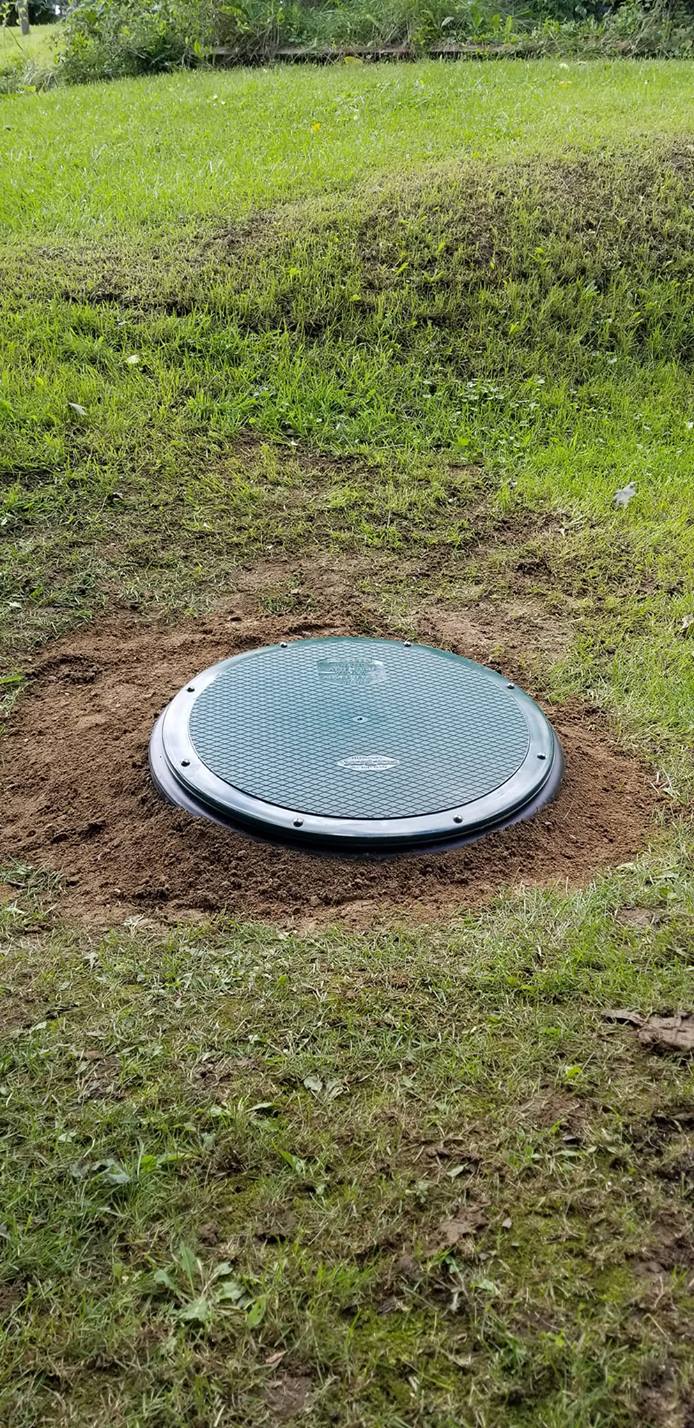
If you have ever had to pay a septic company to dig up your yard just to pump your tank or do a simple inspection, you know how frustrating that can be. A septic tank riser solves this problem by bringing your tank access up to ground level.
This guide covers what septic tank risers are, why they are worth having, how they are installed, and what to look for when you buy one.
This post contains affiliate links. As an Amazon Associate I earn from qualifying purchases.
What Is a Septic Tank Riser?
A septic tank riser is a vertical pipe or cylinder that extends from the top of your underground septic tank to ground level. It creates a permanent access point, so you don’t have to dig up your yard every time the tank needs to be pumped, inspected, or serviced.
Many septic tanks are buried roughly 1 to 3 feet underground. Without a riser, every service visit starts with digging down to the tank lid, which takes time, tears up your lawn, and can add to the cost of the visit. With a riser installed, the access lid sits at ground level.
Components of a Septic Tank Riser System
- Riser collar/adapter – attaches to your existing septic tank opening and provides the base for the riser
- Riser rings/extensions – stackable sections that build up to ground level (available in various heights)
- Riser lid – the top cover at ground level; it should be secured with screws or a lock
- Sealant/butyl rope – creates watertight seals between components

A riser collar/adapter that attaches to your septic tank opening
Why a Septic Tank Riser Is Worth Having
A riser is a simple upgrade that makes your septic system easier to look after. Here is why:
Lower Service Costs
Many septic companies charge extra to locate and dig down to a buried tank. With a riser, that digging step goes away, and over a few pumpings the riser can pay for itself.
Protect Your Lawn
No more digging holes in your yard every few years. Your landscaping stays intact, and you don’t have to keep reseeding the same patch over the tank.
Faster Service Visits
The pumper can open the lid and get to work right away instead of spending time finding and uncovering the tank.
Easier Inspections
Regular inspections help catch problems early. With ground-level access, a pumper or inspector can check the tank quickly. If you lift the lid to look yourself, stay above ground and never lean into the opening.
Septic Tank Risers, Collars & Lids
When shopping for a septic tank riser system, you need three main components. Check that every part matches your tank opening size and is rated for septic use.
Septic Tank Risers

Risers come in various heights (such as 6″, 12″ and 24″) and can be stacked to reach ground level. Most are made from polyethylene plastic, which resists rot and corrosion. Look for risers with built-in gasket grooves for watertight seals.
Check Prices on AmazonRiser Collars / Adapters
The collar is the base of your riser system. It attaches directly to your septic tank opening and provides a secure foundation for the riser rings. Measure your tank opening before ordering – common sizes are 20″, 24″ and 30″ diameter.
Check Prices on AmazonRiser Lids
The lid sits at ground level and is the only thing between the open tank and anyone walking across the yard, so choose a secure, child-resistant lid that screws down or locks and can’t be lifted or slid off by a child. It should be strong enough for foot traffic and not easily damaged by mowers. Green lids blend in well with grass.
Check Prices on AmazonHow to Install a Septic Tank Riser (DIY Guide)
Installing a septic tank riser is a DIY project many handy homeowners can do in a few hours, though plenty of people have their septic company add risers during a pumping visit. Riser requirements (and whether a permit is needed) vary by county and health department, so check with yours before you start.
Safety first: Never enter a septic tank, and never put your head into the opening. Septic tanks hold toxic gases such as hydrogen sulfide and methane, and they can also lack enough oxygen – people have died within minutes. All of this work is done from above ground.
An open tank is also a fall hazard. Never leave the opening uncovered or unattended, keep children and pets well away while you work, and don’t use open flames or smoke near the tank.

A septic tank opening ready for riser installation
Step-by-Step Installation
Locate and Expose Your Tank
Call 811 before you dig so buried utility lines are marked. Find your septic tank and dig down to expose the lid or opening. Note the depth from ground level to the top of the tank – this determines how many riser sections you need.
Remove the Old Lid
Remove the existing concrete or plastic lid (concrete lids are heavy – get help and lift carefully). Clean the rim of the opening to ensure a good seal with the new riser collar. Cover the opening whenever you step away.
Install the Collar/Adapter
Apply butyl rope or the sealant recommended by the riser maker around the tank opening rim. Set the collar in place and press firmly to create a watertight seal. Fasten it as the manufacturer directs – many collars are anchored with concrete screws or adhesive.
Stack the Riser Sections
Apply sealant between each riser section and stack them until you reach ground level. Make sure each section is seated firmly, level, and fastened together so the joints stay watertight and keep groundwater out of the tank.
Install and Secure the Lid
Set the lid on top of the riser and fasten it with the screws or locking mechanism provided. Don’t leave a lid that simply sits loose – a secured lid keeps children and pets from falling in.
Backfill and Finish
Backfill around the riser with soil, tamping as you go to prevent settling. The lid should sit at or slightly above ground level so it stays easy to find and keeps surface water out. Check the lid periodically and replace it if it cracks or the screws go missing.
Would You Rather Sell Than Repair?
If septic work is just one item on a long repair list for your mobile home, selling the home as-is is one option to compare. I buy mobile homes that need work, and you don’t have to fix anything first.
Frequently Asked Questions
How much does it cost to install a septic tank riser?
Costs vary with your area, tank depth, and how many openings get risers. As a rough guide, DIY materials for one opening often run about $150-$300, and professional installation costs more. Ask your septic company for a quote – many will add risers during a pumping visit.
What size riser do I need?
Measure the diameter of your tank opening (commonly 20″, 24″ or 30″) and the depth from ground level to the top of the tank. Buy a collar that matches your opening and enough riser sections to reach the surface.
Do I need a riser on both tank openings?
Many septic tanks have two access openings – one over the inlet side and one over the outlet side. Tanks are usually pumped through the inlet-side opening, where most solids settle, and the outlet side is where an effluent filter (if you have one) is cleaned. Risers on both openings make pumping and inspections easier. Some counties require risers on certain openings, so check your local rules.
Are plastic risers as good as concrete?
Plastic (polyethylene) risers are lighter, easier to handle, and don’t corrode, which is why they are popular for DIY installs. Concrete risers are heavier and can crack over time from soil movement. Either can work if it is properly sealed and has a secure lid.
Will a riser affect my lawn mower?
If the lid is installed at ground level, mowers can usually pass over it. Keep the lid visible and secured rather than burying it under soil or mulch, so it stays easy to find for service and nobody is surprised by it.
Final Thoughts
A septic tank riser is a practical upgrade for most septic systems. It can lower the cost of future service calls, saves your lawn from repeated digging, and makes routine maintenance quicker.
Whether you install it yourself or hire a septic professional, use a secure, child-resistant lid and check your county’s requirements first. For more on septic systems, see mobile home septic tank requirements.